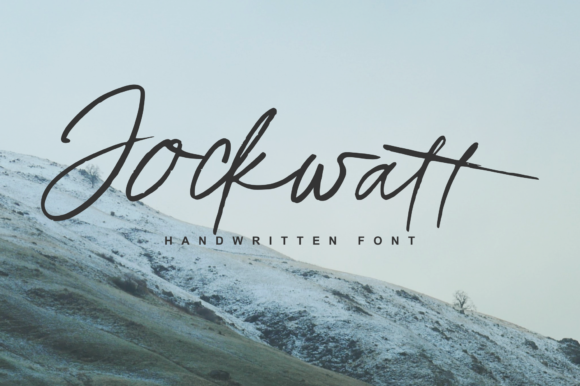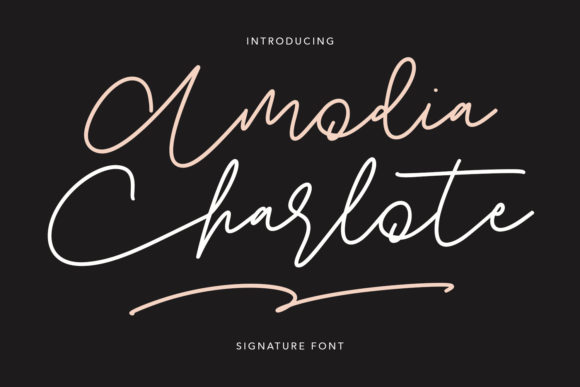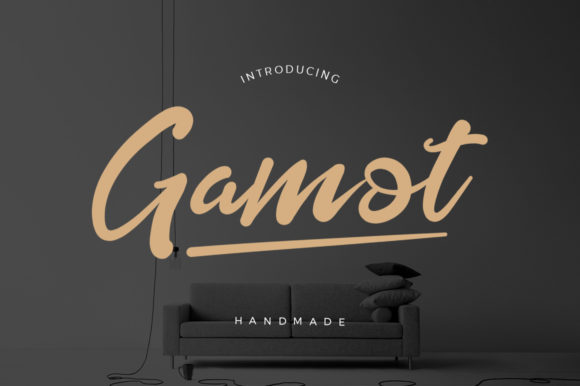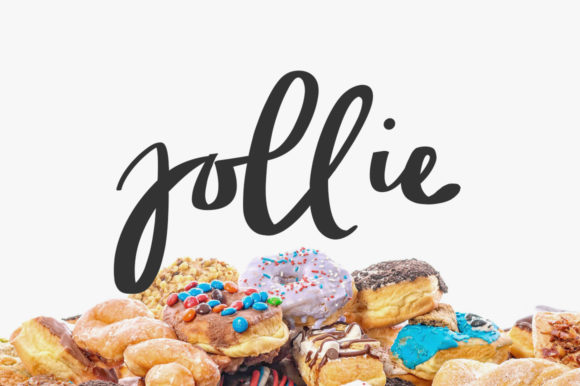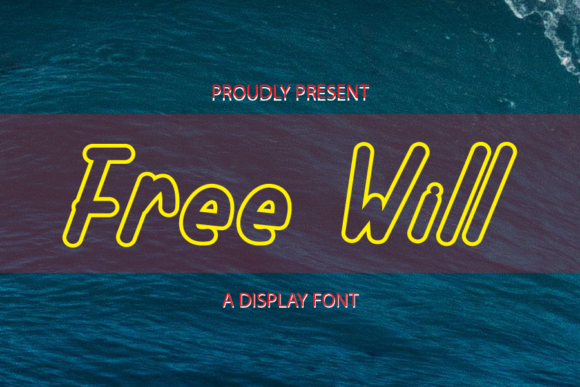
Free Will: A Modern Script Handwritten Font for Editorial Design
As a publisher and editorial designer who crafts blogs, digital magazines, and printable guides for creative professionals, I’ve spent years testing fonts that balance personality with precision. Free Will stands out—not as another decorative script, but as a Script Handwritten font built for intentionality. Its clean lines, subtle irregularities, and gentle rhythm give it presence without sacrificing legibility. It’s not overly ornate or stiffly formal; instead, Free Will feels human—thoughtful, approachable, and quietly confident. That’s rare in Fonts meant for real-world publishing workflows.
Free Will for Blog Headers and Digital Magazine Covers
When readers scroll past dozens of articles in a feed or skim a newsletter preview, the first visual cue is often the headline. Free Will delivers instant tonal clarity: it signals warmth and authenticity without leaning into clichéd “hand-drawn” tropes. For lifestyle blogs, wellness newsletters, or indie digital magazines, using Free Will on cover graphics or hero headers establishes voice before a single word is read. Its moderate x-height and open counters ensure readability even at smaller sizes on mobile screens—critical when your blog header appears in RSS feeds or email subject previews. Unlike many script fonts, Free Will holds up well in SVG or webfont formats, rendering crisply across devices without pixelation or spacing collapse.
Free Will for Ebook Titles and Chapter Openers
Ebooks live in two worlds: screen reading and print-on-demand. A title font must anchor both. Free Will works beautifully as an ebook cover typeface—its modern style conveys sophistication while its handwritten quality adds intimacy, ideal for memoirs, coaching workbooks, or creative nonfiction. Inside the book, use Free Will sparingly but deliberately: chapter titles, section dividers, or opening epigraphs. Because it’s a Script Handwritten font with restrained flourishes, it avoids overwhelming body text set in a readable serif (like Merriweather or EB Garamond) or a clean sans serif (like Inter or Lato). This pairing creates hierarchy that guides attention—not distracts from it.
Free Will for Quote Graphics and Social Media Story Text
On Instagram, Pinterest, or Substack, quote graphics stop scrollers. Free Will excels here—not because it shouts, but because it invites. Its “a little bit quirky” character adds nuance to short, resonant phrases: a line from a poem, a client testimonial, or a reflective excerpt from your latest guide. When exported as PNG or embedded in Canva templates, Free Will retains its texture without anti-aliasing artifacts. And because it’s designed as a Fonts asset for creators—not just designers—it includes consistent kerning and baseline alignment, so quotes render cleanly whether shared as static posts or animated stories.
Free Will for Printable Planners, Workbooks, and Lead Magnets
Creative professionals rely on downloadable assets—printable planners, habit trackers, recipe guides, or workshop worksheets. These need typography that feels personal yet polished. Free Will bridges that gap: its clean structure ensures crisp laser printing, while its handwritten nature makes users feel the document was made *for them*, not mass-produced. Use it for cover titles, section headers, or hand-lettered checkboxes—not for body copy, of course. As a Script Handwritten font, it’s optimized for display use, not extended reading. That distinction matters: overusing Free Will in long-form printable text would undermine its impact. Reserve it for moments where tone and intention matter most.
Free Will for Branding Consistency Across Newsletters and Digital Products
Your newsletter isn’t just content—it’s a branded experience. Free Will helps unify that experience across touchpoints: the banner image in your Mailchimp template, the “thank you” graphic after a download, the logo lockup on your Notion course dashboard. Because it’s clean and modern—not cutesy or retro—it scales gracefully from tiny favicon-sized logos to full-width social banners. Pair it with a neutral sans serif (like Poppins or Montserrat) for navigation, captions, and data labels, and you create a system that feels intentional, not accidental. That consistency builds recognition—and trust.
Free Will for Wedding Invitations and Elegant Branding
Even editorial creators often design for life milestones—wedding guides, vow-writing workbooks, or boutique stationery kits. Here, Free Will shines: elegant enough for formal invitations, warm enough for heartfelt notes. Its lack of excessive swashes keeps it versatile across paper stocks and printing methods (letterpress, foil stamping, or digital PDFs). As a Fonts choice for premium digital products, it signals care—both in craft and in audience understanding. And because Free Will is licensed for commercial use, you can embed it in editable Canva templates, sell printable wedding planners, or include it in paid newsletter bundles without legal hesitation.
Free Will Font Pairing Strategies for Editorial Layouts
Great typography isn’t about one font—it’s about relationships. Free Will pairs best with typefaces that offer contrast without competition. For body text: a warm serif like Cormorant Garamond or a functional sans like Source Sans Pro. For captions or sidebars: a light-weight geometric sans (e.g., Manrope or Space Grotesk). Avoid pairing Free Will with other script fonts or overly decorative serifs—they’ll fight for dominance. Also verify that your version of Free Will includes standard OpenType features: discretionary ligatures, stylistic alternates, and multilingual support (Latin Extended-A), especially if you publish globally or include accented characters in quotes or names.
Free Will Licensing for Ebooks, Templates, and Paid Newsletters
If you’re selling digital products—whether an illustrated recipe ebook, a Notion-based productivity system, or a subscriber-only newsletter archive—you need clarity on usage rights. Free Will is licensed for commercial distribution, meaning you can embed it in PDFs, bundle it with editable templates, or use it in client-facing deliverables like branded reports or pitch decks. Just confirm your license covers end-user redistribution (not just personal use). That assurance lets you focus on design—not disclaimers—when building your next Script Handwritten-driven project.